Commissioner Resources
How to Start a Fantasy Football Dynasty League (Step-by-Step)
Ready to start a dynasty fantasy football league? Follow this step-by-step guide to choosing league settings, rosters, rules, rookie drafts, trades and more.
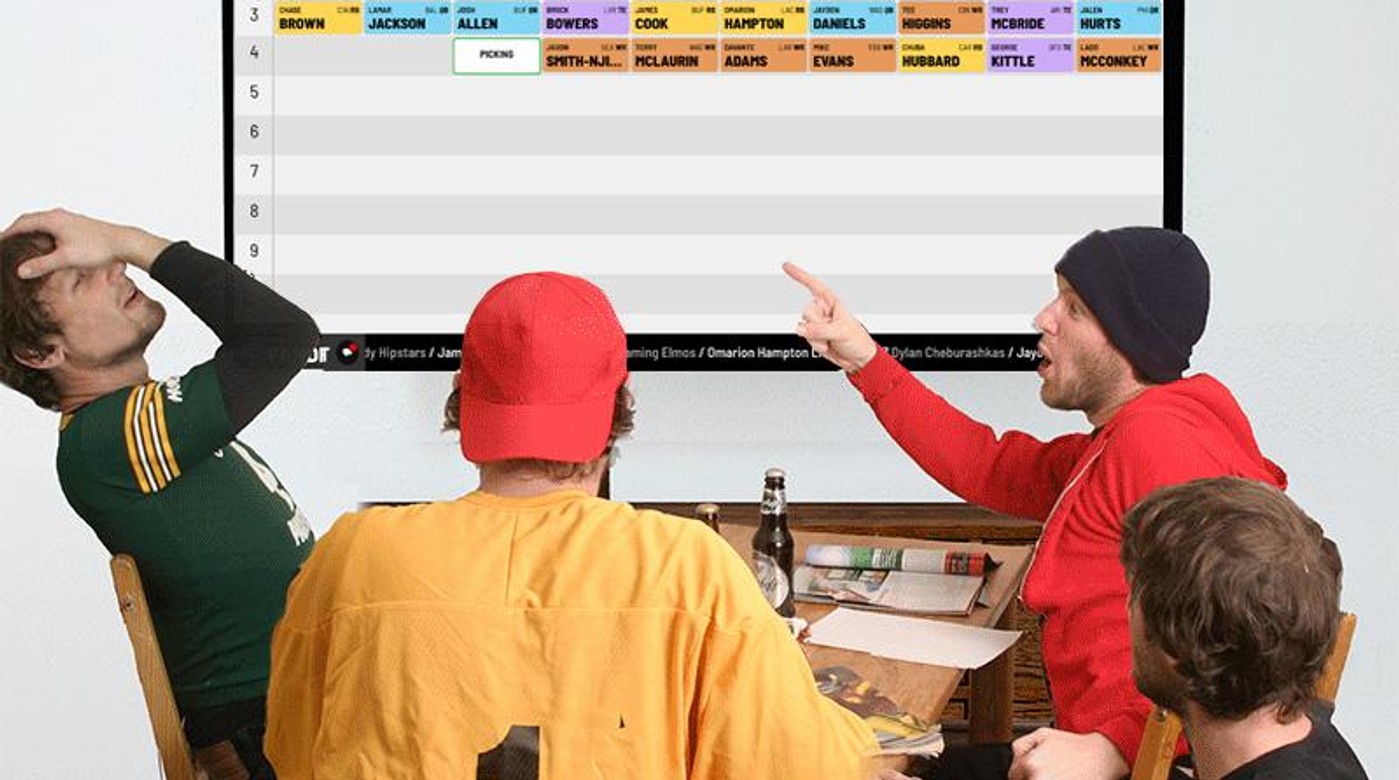
How to Start a Fantasy Football Dynasty League: Step-by-Step Guide
Starting a dynasty fantasy football league is one of the best ways to turn a normal fantasy league into a year-round competition.
Unlike traditional fantasy football, where everyone drafts a new roster each season, dynasty managers keep their players from year to year. You’ll draft rookies, trade future picks, build championship windows and sometimes spend multiple seasons rebuilding a franchise.
But a great dynasty league needs more than 12 people and a draft date.
You need the right managers, league rules, roster settings and long-term structure.
If you're thinking about becoming a dynasty commissioner, here's how to start a fantasy football dynasty league from scratch.
1. Find the Right Dynasty League Members
Your first step is deciding who will actually be in the league.
This matters more in dynasty than it does in a normal redraft league.
A redraft league lasts one season.
A dynasty league could last a decade.
Ideally, you want managers who:
- Follow football consistently
- Enjoy trading
- Will stay active during the offseason
- Understand the long-term commitment
- Can reliably pay league dues
- Won't abandon their team after one bad season
You don't necessarily need 12 dynasty experts.
In fact, starting a league where everyone learns dynasty together can be a lot of fun.
You just need managers who are committed.
2. Choose Your Dynasty League Size
Next, decide how many teams will compete.
12 teams is one of the most common dynasty league sizes and is a great starting point for most leagues.
You can also build leagues with 8, 10, 14 or even 16 teams.
League size affects everything from roster depth to player availability.
Smaller leagues generally have more talent available on waivers, while larger leagues create much greater roster scarcity.
For a first-time dynasty commissioner, a 10- or 12-team league is usually a good place to start.
3. Choose a Fantasy Football Platform
You'll need a platform to handle your league's core fantasy football functions.
Your platform will typically manage things like:
- Weekly lineups
- Scoring
- Matchups
- Standings
- Waivers
- Player statistics
- Playoffs
When choosing a platform, make sure it supports the dynasty features your league needs.
That can include rookie drafts, future draft-pick trading, deep rosters and taxi squads.
If you're planning a more advanced dynasty league, you may also want additional commissioner tools outside your primary fantasy platform for things like contracts, salaries, cap space and league history.
4. Decide Between 1QB and Superflex
One of your biggest decisions will be how quarterbacks are handled.
In a traditional 1QB league, each team generally starts one quarterback.
In a Superflex league, an additional lineup position can usually be filled by a quarterback, running back, wide receiver or tight end.
Because quarterbacks generally score more fantasy points than other positions, managers typically use a second quarterback in the Superflex spot.
That makes quarterbacks significantly more valuable.
A young franchise quarterback can become one of the most valuable assets in an entire Superflex dynasty league.
There's no universally correct format, but your league should make this decision before determining draft strategy or holding the startup draft.
5. Determine Your Starting Lineup
Next, decide how many players each team starts.
For example, a dynasty lineup might include:
QB: 1
RB: 2
WR: 3
TE: 1
FLEX: 2
SUPERFLEX: 1
This would create a 10-player starting lineup.
Deeper starting lineups generally reward managers who build complete rosters instead of relying entirely on a handful of superstars.
Your starting requirements will also influence player values.
A league requiring three starting wide receivers, for example, increases the importance of wide receiver depth.
6. Set Your Dynasty Roster Size
Dynasty rosters should generally be much deeper than redraft rosters.
Why?
Because developing players matter.
Instead of only rostering players who can help you this week, dynasty managers may hold young players who could become valuable next year or even several years from now.
Depending on league size and format, a dynasty roster could contain 20, 25, 30 or more players.
The goal is to create enough roster depth that managers have meaningful long-term decisions to make.
If every useful player is sitting on waivers, there isn't much incentive to scout prospects or make trades.
7. Decide Whether to Use a Taxi Squad
A taxi squad gives dynasty managers additional roster spots for young or developmental players.
Think of it like a fantasy version of an NFL practice squad.
Your league rules should clearly define:
- Which players are taxi eligible
- How long players can remain there
- Whether players can return after being activated
- Whether other teams can claim taxi players
Taxi squads aren't required, but they can make rookie scouting and player development much more interesting.
8. Choose Your Scoring System
Your scoring settings can dramatically change player values.
Common formats include:
Standard scoring — No points per reception.
Half-PPR — Players receive 0.5 points per reception.
Full PPR — Players receive 1 point per reception.
Some leagues go further with settings such as tight end premiums, points per first down or customized quarterback scoring.
Whatever system you choose, make sure everyone understands it before the startup draft.
Managers will build their teams differently depending on the scoring format.
9. Create Your Dynasty League Constitution
This is one of the most important steps.
Before anyone drafts a player, create a written dynasty league constitution.
Your constitution should explain exactly how the league operates.
Important topics include:
- League size
- Scoring
- Starting lineups
- Roster limits
- Rookie drafts
- Rookie draft order
- Trading
- Future draft picks
- Trade deadline
- Waivers
- Taxi squads
- Injured reserve
- Playoffs
- Tiebreakers
- League dues
- Prize payouts
- Commissioner powers
- Rule changes
- Inactive managers
- Replacing owners
- Orphan teams
It may seem excessive when you're starting out.
Three years from now, you'll be glad you did it.
Dynasty leagues create situations that normal fantasy leagues rarely encounter. Having clear rules prevents the commissioner from having to invent solutions when disputes happen.
10. Decide How Rookie Draft Order Works
After your first season, your league will begin holding annual rookie drafts.
That means you need to determine how draft order will be decided.
Many leagues give earlier selections to weaker teams, but commissioners need to be careful about creating incentives for managers to intentionally lose games.
One solution is using potential points or Max Points For to determine draft order for non-playoff teams.
The idea is to measure the strength or scoring potential of a roster rather than rewarding managers for intentionally benching good players.
Whatever system you choose, document it clearly in your league constitution.
11. Allow Future Draft-Pick Trading
Trading future rookie picks is one of the defining features of dynasty fantasy football.
A trade might look something like:
Team A receives:
Veteran WR
Team B receives:
2027 first-round pick
2028 second-round pick
Draft picks become currency.
Rebuilding teams can accumulate them while contenders can trade them away to strengthen championship runs.
Your league should determine how many years into the future managers can trade picks.
If your league charges dues, it's also smart to establish payment rules for managers trading future picks so a team isn't abandoned after trading away years of draft capital.
12. Decide How Trades Will Be Handled
Dynasty leagues should encourage trading.
Because teams have different competitive timelines, trades that look strange from a redraft perspective can make perfect sense in dynasty.
A contender might overpay for an aging veteran.
A rebuilding team might trade away productive players for prospects and draft picks.
For that reason, commissioners should be careful about vetoing trades simply because they believe one manager "lost."
Your constitution should establish exactly when commissioner intervention is appropriate.
Generally, the goal should be preventing collusion or activity that threatens league integrity — not protecting managers from making bad trades.
Bad trades are part of dynasty.
13. Decide Whether Your League Will Use Salaries and Contracts
This is where dynasty leagues can become significantly more advanced.
Traditional dynasty gives managers long-term control over players.
A salary cap dynasty league adds another layer by forcing managers to decide not only which players they want, but how much they're willing to spend to keep them.
Your league could introduce:
- Player salaries
- Team salary caps
- Multi-year contracts
- Rookie contracts
- Contract extensions
- Guaranteed money
- Dead cap
- Franchise tags
- Free agency
- Salary-cap increases
Now you're not simply managing a fantasy roster.
You're running a front office.
A superstar quarterback might be incredibly valuable, but what happens when his contract consumes 20% of your salary cap?
Would you rather pay one elite wide receiver $35 million or use that money on three productive starters?
Those decisions create an entirely different dynasty experience.
14. Schedule the Startup Draft
Once your rules and settings are finalized, it's time for the best part:
The startup draft.
Because dynasty rosters are much deeper than redraft rosters, startup drafts can take significantly longer.
Many leagues use a slow draft where managers receive several hours to make each selection.
That allows managers to trade picks, evaluate players and make more thoughtful decisions.
Remember: you're not drafting a roster for one season.
You're building the foundation of a franchise that could exist for years.
15. Keep the League Active Year-Round
A great dynasty league doesn't disappear after the championship.
The offseason is part of the game.
Your league calendar can include:
January–February: Trades and roster evaluation
March–April: NFL free agency and rookie scouting
April: NFL Draft
May–August: Rookie draft, trades and roster construction
September–December: Fantasy regular season and playoffs
This year-round activity is one of the biggest reasons dynasty players rarely want to return to traditional fantasy football.
There's always another move to make.
Take Your Dynasty League to the Next Level With LeagueVerse
Starting a dynasty league is about more than creating another fantasy football competition.
You're creating a league that could last for years.
And the deeper your league becomes, the harder it can be to manage everything through spreadsheets, notes and group chats.
That's where LeagueVerse comes in.
LeagueVerse is being built to give dynasty commissioners and managers a true front-office experience, adding deeper league management around features such as:
- Salary caps
- Player contracts
- Contract years
- Transactions
- Draft capital
- Franchise management
- League history
- Commissioner tools
Your fantasy platform can handle the games.
LeagueVerse helps you build the league around them.
Build your roster. Manage your cap. Shape your franchise.
Welcome to LeagueVerse.
Take Dynasty Further
Run Your League Like a Front Office.
LeagueVerse adds contracts, salary caps, franchise tags, free agency, rookie contracts, and complete offseason management to your existing fantasy league.
See How LeagueVerse Works